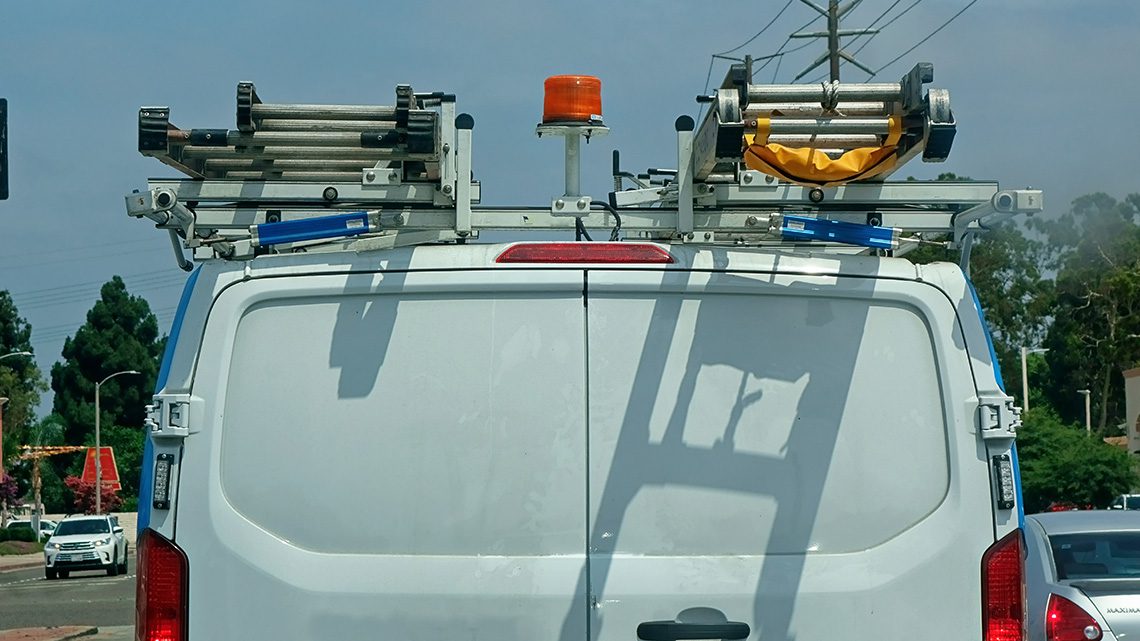
The purchase of trucks is a cash commitment that can be used for other business purposes. Commercial truck leasing lets you get the vehicles you need without a big upfront hit to your budget. Pair that with the right fleet management services, and your fleet runs on predictable numbers instead of surprise repair bills. At Corporate Fleet Services, we watch business owners make this switch every week, and most wish they had done it years earlier. This guide walks through how leasing works, what it costs you, and how to know it fits your business. Whether you run five trucks or fifty, the same basic questions apply before you sign anything.
What Makes Commercial Truck Leasing a Smart Business Move?
Commercial truck leasing frees up capital that would otherwise sit parked in a driveway. You pay one steady monthly rate instead of a large lump sum.This keeps your monthly budget steady and makes planning way easier.
Leasing helps you avoid being tied to an aging truck that may become less dependable over time. Your business gets newer vehicles, lower repair costs, and more room to grow or scale back as work changes.
There are tax advantages too. Lease payments are often fully deductible as a business expense, and since you do not own the truck, it usually stays off your balance sheet as a long term asset. That keeps your books cleaner and your financial ratios stronger when you need financing for other parts of the business.
How Does Commercial Fleet Leasing Actually Work?
A lease works differently than a loan. Instead of financing the full price of a truck, you pay for the value it loses while you use it. That usually adds up to a smaller number than the full purchase price, so monthly payments tend to run lower.
Corporate Fleet Services structures each lease around your mileage, industry, and how long you plan to keep the vehicle. Here are the primary choices:
- Open end leases provide more flexibility at the end of the lease as you can sell the car yourself, etc.
- Closed end leases offer the benefit of having a fixed cost and mileage limit, which makes budgeting easy for fleets that have consistent routes.
- Custom lease packages blend both approaches for businesses with unusual needs.
- Ordering, delivery, and registration paperwork are typically handled by your leasing partner too.
That last point matters more than it seems. It means your team spends less time chasing forms and more time running the business.
Which Vehicle Types Can You Lease Through a Fleet Program?
Every fleet looks different, and your vehicles should match the job instead of a generic template. A good leasing program covers the full range of work your business actually does. Here are some of the vehicle types available:
- Pickup trucks for field crews and service calls.
- Cargo vans and box trucks for deliveries and equipment hauling.
- Service body trucks are designed for contractors who require integrated storage for tools and equipment.
- Crane trucks for utility and construction jobs.
- Shuttle buses for passenger transport and hospitality work.
- SUVs and sedans for executive or administrative use.
Whatever industry you work in, your leasing partner should offer real variety, not just whatever happens to sit on the lot. Many businesses also add vehicle graphics or upfitting once the trucks arrive, so each one is ready to work and easy to spot on the road.
Key Benefits of Leasing Over Buying a Work Truck
Leasing over buying comes with a few clear advantages:
- Reduced initial investment, leaving more capital available for other areas of the company.
- No speculating on resale value, because you return the truck at the end of the term rather than attempt to sell it.
- In many leases, repairs are included in the bundle, meaning that it will no longer catch you by surprise.
- Newer safety features and better fuel efficiency, since commercial truck leasing keeps your fleet current with every vehicle you add.
Why Do Fleet Management Services Matter as Much as the Lease Itself?
Leasing is only one piece of an effective fleet strategy. Professional fleet management adds preventive maintenance planning, performance reporting, and day-to-day oversight to keep vehicles operating efficiently. Without consistent monitoring, small maintenance issues can quickly grow into expensive repairs, unexpected downtime, and delayed deliveries.
This is where fleet maintenance management earns its keep. Catching a worn brake pad or an overdue oil change early costs far less than dealing with a breakdown on the highway. Corporate Fleet Services pairs every lease with maintenance oversight, a universal fuel card program, and one dedicated account manager who knows your fleet by name instead of a case number.
How Can Fleet Technology and Electric Options Support Your Fleet?
Fleet technology gives you visibility into where your vehicles are and how they are running, so problems surface before they become breakdowns. Tracking fuel use, mileage, and service history in one place also makes reporting far less of a headache at tax time.
If you’re trying to cut fuel costs and hit your sustainability targets, EV fleet conversion is worth looking into as well. It allows you to transition a portion of your fleet to electric power, as opposed to a full fleet transition, at a pace that works within your budget and your routes.
How Do You Choose the Right Fleet Management Services Partner?
Not every leasing company offers the same level of support. A commercial fleet leasing partner who folds maintenance into the agreement saves you from juggling multiple vendors and phone numbers. Seek a partner that supports their claims with actual service rather than a sales pitch. Key qualities include:
- Clear pricing – no hidden fees later.
- Lease options to fit your industry and mileage.
- An account manager that is dedicated rather than rotating.
- Maintenance management as part of the lease, not a billable service.
These details are more significant once you have more than a few vehicles in your fleet, as little fees and sluggish response can be a big deal over a larger operation.
When Should Your Business Switch to Commercial Fleet Leasing?
A few signs point to switching sooner rather than later:
- Repair bills keep climbing past what a new truck would cost you each month.
- Your trucks are aging faster than your budget can keep up with.
- Your business is growing and needs vehicles fast, without a large cash outlay every time you win new work.
- Your work is seasonal, since commercial truck leasing flexes with busy and slow months, like a landscaping crew needing more trucks in spring and fewer in winter.
- Your jobs are short term, like a contractor who needs extra crane trucks for just a few months at a time.
The best time to switch is usually before costs spiral, not after the damage is already done.
Every fleet has room to run leaner, whether that means fewer repair bills, steadier fleet maintenance management, or simpler monthly budgeting. If your business is ready to see what commercial truck leasing could save you, contact us today for a free fleet cost savings analysis.
Frequently Asked Questions
What is commercial truck leasing?
Commercial truck leasing allows businesses to use trucks for a set period with predictable monthly payments instead of purchasing them outright. It can help reduce upfront costs and simplify fleet management.
How much does commercial truck leasing cost?
Commercial truck leasing costs vary based on the truck type, lease term, mileage, and services included. A fleet leasing provider can create a package based on your business needs and budget.
Is commercial truck leasing better than buying?
Commercial truck leasing can be a better option for businesses that want lower upfront costs, predictable expenses, and access to newer vehicles. Buying may be preferable for businesses planning to keep trucks for many years.